

A Morning Routine for Low Mood That Feels Doable
Build a morning routine for low mood with small, realistic steps that support energy, calm, and momentum without demanding a perfect start today.
Build a morning routine for low mood with small, realistic steps that support energy, calm, and momentum without demanding a perfect start today.

Learn crypto taxation basics for U.S. investors: taxable trades, cost basis, records, IRS forms, and practical ways to avoid filing mistakes this year.

A chart can look like random noise until one candle changes your view of the whole move. A long wick near resistance, a small body after a fast rally, or a strong green candle after a sell-off can tell a very different story than a plain line chart. If you want to learn how to read candlestick charts, the goal is not to memorize every pattern ever named. It is to understand what each candle says about the fight between buyers and sellers.
Candlestick charts are popular in stocks, crypto, forex, and even shorter-term trading because they show more than just closing price. In one visual, you can see where price opened, where it closed, and how far it moved during that period. That extra context is what makes candles useful for beginners and experienced traders alike.
Each candlestick represents a set time period. That period could be one minute, one hour, one day, or one week. The candle does not change its meaning from one timeframe to another, but the importance of the signal often does. A bearish pattern on a one-minute chart can be weak noise, while the same pattern on a daily chart may matter much more.
A candle has two main parts: the body and the wicks. The body shows the distance between the opening and closing price. The wicks, sometimes called shadows, show the highest and lowest prices reached during that time.
If the candle closes above the open, it is usually shown as green or white. That means buyers finished stronger than sellers for that period. If the candle closes below the open, it is usually red or black. That means sellers had more control by the close.
This sounds basic, but it matters. A chart is not just showing price. It is showing pressure, hesitation, momentum, and sometimes exhaustion.
The easiest way to read candles is to stop looking for names first and start reading the story.
Before judging a candle, look at the timeframe. A strong-looking reversal candle on a five-minute chart may not matter if the daily chart is still in a clear downtrend. Beginners often get trapped by reading one candle without reading the broader context around it.
A large body usually shows stronger conviction. A large bullish candle means buyers pushed price up and kept control into the close. A large bearish candle suggests strong selling pressure.
A small body often signals indecision. Neither side had a clear win by the end of the period. On its own, that means very little. Near a major support or resistance level, it can matter much more.
Long upper wicks suggest price moved higher but got pushed back down before the close. That can show rejection from sellers. Long lower wicks suggest buyers stepped in after price fell, pushing it back up.
The wick matters because it shows what price tried to do and failed to hold. Failed moves often tell you more than clean moves.
A candle should not be read in isolation. Compare it with what came before. A small red candle after several big green candles may hint that buying momentum is slowing. A strong green candle after a long drift lower may suggest demand is returning.
Location changes everything. A bullish candle in the middle of a messy range is less meaningful than a bullish candle forming right at a known support area. The same pattern can be useful in one spot and useless in another.
You do not need dozens of patterns. A few common ones cover most of what beginners need.
A doji has a very small body, meaning the open and close are close together. It signals indecision. Buyers and sellers pushed price around, but neither side clearly won. A doji after a strong trend can hint at a possible pause or reversal, but it is not a reversal by itself.
A hammer has a small body near the top of the candle and a long lower wick. It often appears after a decline. This shows sellers pushed price down, but buyers came back strongly before the close. It can be an early clue that downward pressure is weakening.
This is the opposite idea. A shooting star has a small body near the bottom of the candle and a long upper wick. It often appears after a rise. Buyers pushed price higher, but sellers knocked it back down. That can be a warning that the uptrend is losing strength.
An engulfing pattern uses two candles. In a bullish engulfing pattern, a green candle fully covers the body of the previous red candle. That suggests buyers took control in a noticeable way. In a bearish engulfing pattern, a red candle fully covers the body of the previous green candle, showing sellers have stepped in hard.
These patterns tend to be more useful when they appear after a clear move, not during choppy sideways action.
One of the biggest mistakes new traders make is treating candlestick patterns like guaranteed signals. They are not. A hammer does not automatically mean price will rise. A shooting star does not guarantee a drop.
What matters more is trend, support and resistance, and volume if your chart includes it. A bullish pattern inside a strong downtrend may only lead to a short bounce. A bearish pattern in a strong uptrend may fail quickly. Candles can show a change in pressure, but they do not promise a full reversal.
That is why experienced chart readers ask a better question: what is this candle saying in this specific location?
Candlestick reading gets much easier when you combine it with price levels.
Support is an area where price has tended to stop falling and bounce. Resistance is an area where price has struggled to move higher. If a hammer appears near support, it means more than a hammer in the middle of nowhere. If a shooting star forms right under resistance, that is more meaningful than the same shape during a quiet trend.
Confirmation also matters. Many traders wait for the next candle to support the idea. For example, if you see a hammer after a decline, a strong green candle afterward gives more confidence than a weak sideways candle. Waiting for confirmation can mean entering later, but it may also reduce bad trades. That trade-off depends on your style and risk tolerance.
The first mistake is overcomplicating the chart. Beginners often add too many indicators and chase too many pattern names. Start with clean price action. Learn what the candle itself is saying before layering on extras.
The second mistake is ignoring the timeframe. A pattern that looks dramatic on a one-minute chart can disappear into noise on the daily chart.
The third mistake is forcing a setup. Not every candle means something. Sometimes the market is just drifting. If you find yourself trying too hard to label every shape, you are probably reading too much into it.
The fourth mistake is forgetting risk management. Candlestick analysis can help with timing, but it cannot remove risk. News, market sentiment, and sudden volatility can break even the cleanest-looking setup.
Open a chart and scroll back. Pick one market and one timeframe. Then ask the same questions over and over: Was the trend up, down, or sideways? Where were the support and resistance levels? Did the candle show strength, rejection, or indecision? What happened on the next few candles?
This kind of replay practice helps faster than memorizing a giant chart pattern list. You start noticing how candles behave in real conditions, not just textbook examples. That matters because live markets are messy.
If you are brand new, focus on only three things at first: body size, wick size, and location on the chart. Once that feels natural, add a few common patterns like hammers, dojis, and engulfing candles.
Reading candlesticks well is less about spotting perfect shapes and more about reading pressure with context. Keep it simple, stay skeptical of any single signal, and let the chart tell its story one candle at a time.

Learn the signs you need a mental break, from irritability to brain fog, and what to do next so stress does not turn into burnout.
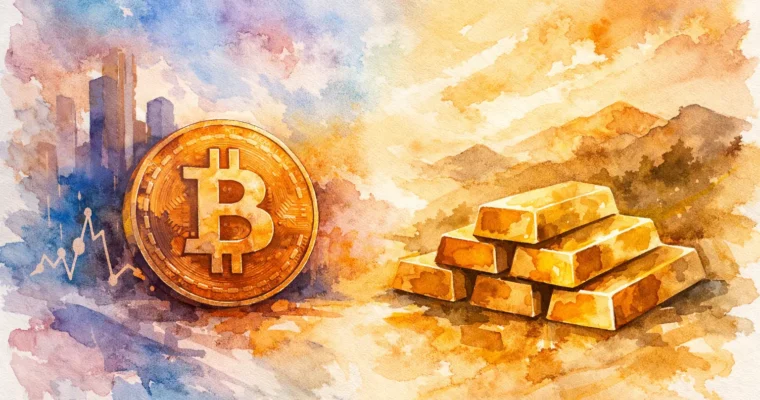
Bitcoin or gold investment comes down to risk, goals, and timing. Compare volatility, liquidity, inflation protection, and use cases.

If you have ever opened a crypto app, seen hundreds of coins, and closed it five minutes later, you are not alone. Finding the best altcoins for beginners is less about chasing the next big winner and more about picking coins that are easier to understand, widely available, and backed by real use cases.
That matters because beginners usually make the same early mistake – they buy whatever is trending without knowing what the project actually does. A better starting point is to focus on altcoins with strong visibility, simple narratives, and enough market history to reduce some of the guesswork. That does not remove risk, but it can make your first decisions more informed.
Not every altcoin is a good first buy. Some are highly speculative, thinly traded, or built around niche technology that takes time to understand. For a beginner, the best choices tend to share a few traits.
First, they usually have a clear purpose. If you can explain a coin in one or two sentences, that is a good sign. Second, they tend to have large market caps and broad exchange support, which can make buying and selling easier. Third, they often have active communities and regular development updates, which helps you avoid projects that look alive but are really fading.
Price alone should not decide anything. A coin trading under $1 is not automatically cheaper in a meaningful way, and a coin with a higher unit price is not automatically expensive. Market cap, utility, and adoption tell you more than the sticker price.
These picks are not guarantees of profit. They are simply some of the more approachable altcoins for people who want a practical starting list.
Ethereum is often the first altcoin beginners hear about, and for good reason. It is the network behind a huge share of decentralized apps, NFTs, and smart contracts. If Bitcoin is often described as digital gold, Ethereum is more like the infrastructure layer that many crypto projects use.
For beginners, Ethereum is appealing because it is established, widely covered, and easier to research than smaller coins. The trade-off is cost. During busy periods, network fees can be high, and that can frustrate new users who want to move small amounts.
Solana became popular by offering faster transactions and lower fees than many older networks. It is used for decentralized finance, gaming, NFTs, and a growing mix of consumer-facing crypto apps.
Why does it appeal to beginners? The core pitch is easy to understand – speed and lower costs. The trade-off is that Solana has faced reliability concerns in the past, and that matters if you want the smoothest possible first experience. Still, it remains one of the most visible altcoins on the market.
Cardano is often seen as a more methodical blockchain project. It focuses heavily on research-driven development and aims to provide a scalable smart contract platform.
Beginners often like Cardano because it has a large following and a relatively simple investment narrative: a major blockchain platform with long-term goals. The downside is that critics sometimes argue that Cardano moves more slowly than competitors. If you prefer hype and fast-moving ecosystems, it may feel less exciting. If you prefer patience and structure, it may be more appealing.
Polygon is tied closely to the Ethereum ecosystem and aims to help make transactions faster and cheaper. For beginners, that connection is useful because it lets you get exposure to a project that supports Ethereum rather than trying to replace it outright.
This makes Polygon one of the more understandable altcoins for newcomers. The main thing to watch is competition. The scaling space is crowded, and several projects are trying to solve the same problem in different ways.
Chainlink does something many beginners overlook at first – it helps smart contracts access real-world data. That could include price feeds, sports results, weather information, or other external inputs.
It may not sound flashy compared with meme-driven coins, but that is part of its value for new investors. It solves a specific problem and has a practical use case. The trade-off is that it can feel more technical to understand than coins built around payments or speed. Once the idea clicks, though, it is one of the easier utility-based projects to follow.
Litecoin has been around for a long time and is often described as a lighter, faster alternative to Bitcoin. It does not dominate headlines the way newer coins do, but that is also why some beginners find it less intimidating.
Its main advantage is simplicity. Litecoin is easier to grasp than many smart contract platforms because its role is more focused on payments and transfers. The downside is that it does not carry the same growth story or developer excitement as some newer ecosystems.
Avalanche is another smart contract platform designed for speed and scalability. It has attracted attention as a network that supports decentralized apps while trying to maintain efficient performance.
For beginners, Avalanche can make sense as a middle-ground option. It is large enough to be established but still often discussed as a growth-oriented platform. Like Solana and Cardano, though, it operates in a very competitive field. That means future success depends not just on technology, but also on adoption.
If this list still feels broad, that is normal. The easiest way to narrow it down is to match the coin to the kind of exposure you actually want.
If you want the most established smart contract ecosystem, Ethereum stands out. If lower fees and speed matter more to you, Solana or Avalanche may look better. If you want a project with a research-heavy image and long-term appeal, Cardano may fit. If you like infrastructure plays, Polygon and Chainlink are worth a closer look. If you want something simpler and more payment-focused, Litecoin is easier to understand than most.
This is also where personal risk tolerance comes in. A beginner does not need five or six altcoins right away. In many cases, buying one or two and tracking them for a few months teaches you more than spreading a small amount of money across a long list.
Even the best altcoins for beginners are still risky assets. Prices can swing hard in a single day, and coins with strong branding can still lose momentum fast. Being beginner-friendly does not mean being safe.
There is also project risk. Some networks struggle with outages, slow adoption, or regulatory pressure. Others may look promising but fail to attract enough users over time. That is why name recognition should help start your research, not replace it.
Scams are another issue. Beginners should be especially careful with social media hype, direct messages, and coins that promise guaranteed returns. If a project sounds like easy money, that is usually the first warning sign.
Start small. That is the most practical advice. Use an amount you can afford to leave alone for a while, because panic-selling after a price drop is one of the fastest ways to learn the wrong lesson from crypto.
It also helps to keep your first approach boring. Pick one or two established altcoins, learn what they do, follow their price movement, and understand how the market reacts to news. You do not need to catch every trend. You need to build comfort with how crypto behaves.
Many beginners also benefit from dollar-cost averaging, which means buying small amounts on a schedule instead of putting in all your money at once. That approach will not eliminate losses, but it can reduce the pressure of trying to time the market perfectly.
Usually, yes – at least at first. Meme coins can produce huge short-term gains, but they are often driven more by hype than by clear utility. That makes them harder for new investors to evaluate.
A beginner is generally better off learning with coins that have clearer use cases and stronger market positions. Once you understand volatility, wallet security, and portfolio sizing, you can decide whether highly speculative coins fit your risk level. Starting there is a different story.
There is no single winner for everyone. Ethereum is often the easiest all-around starting point because of its market position and broad use. Solana appeals to people who care about speed and lower fees. Cardano, Polygon, Chainlink, Litecoin, and Avalanche each make sense for different reasons.
The smarter move is not asking which altcoin looks most exciting today. It is asking which one you can understand well enough to hold without making emotional decisions every time the market moves. That is usually where better choices start, and where beginner confidence grows.

Learn the difference between depression symptoms vs burnout, how signs overlap, when to seek help, and what steps may help you feel better.

Learn how depression treatment options work, from therapy and medication to lifestyle changes and advanced care, so you can choose next steps.
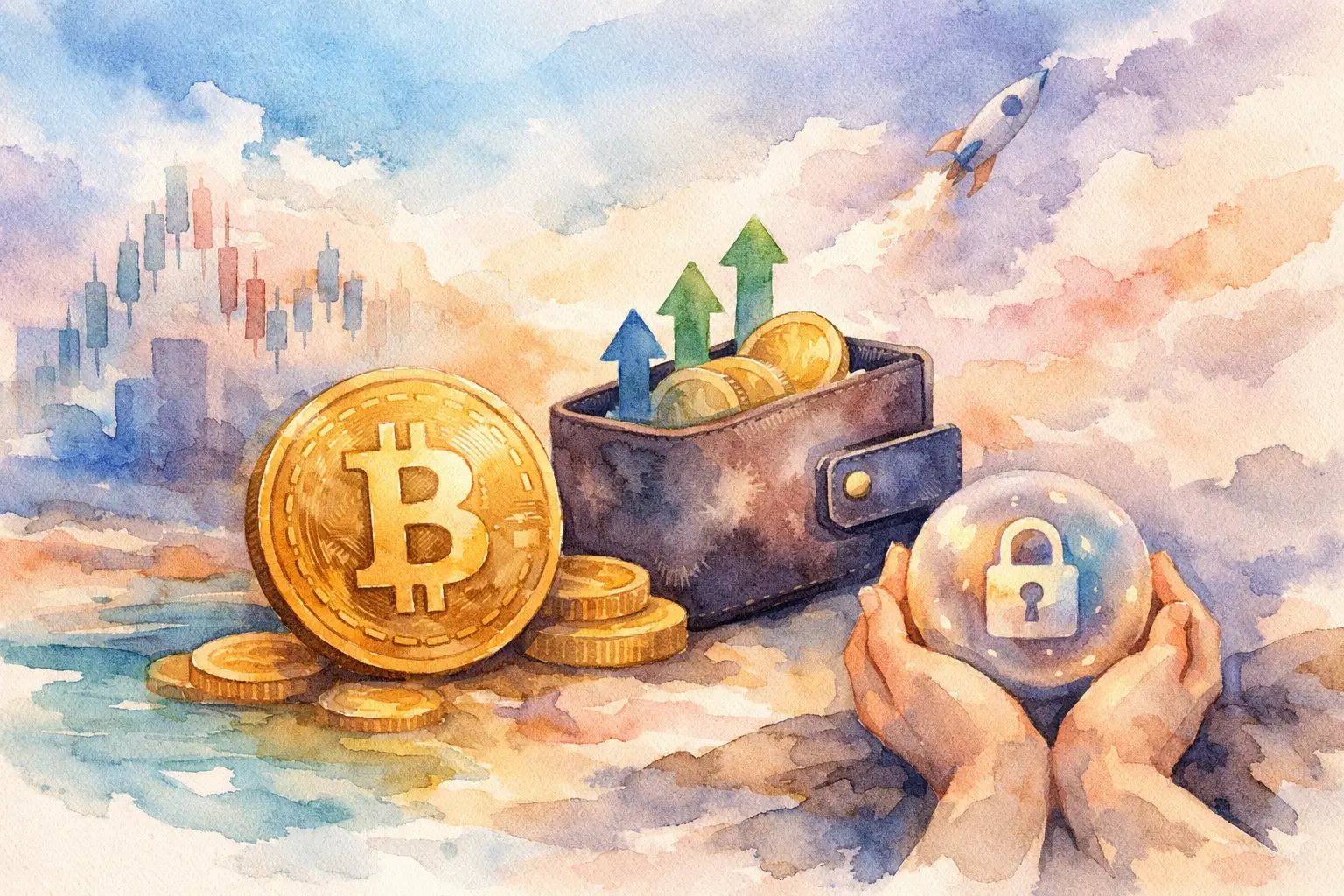
Most beginners do not lose money in crypto because they picked the “wrong” coin. They lose money because they start too fast, buy on hype, or risk cash they cannot afford to see drop by 30% in a week. If you want to learn how to start crypto investing, the smartest first move is not finding the next winner. It is building a setup that keeps beginner mistakes small and manageable.
Crypto can be exciting, but it is also volatile, confusing, and full of noise. Prices move fast, new tokens appear daily, and social media makes everything sound urgent. That is why beginners usually do better with a simple plan than with aggressive trading ideas.
Think of crypto as a high-risk part of your broader financial picture, not your whole strategy. If you have not built a basic emergency fund or you are carrying expensive credit card debt, putting money into crypto may not be the right first financial step. Crypto can wait. Your financial base should come first.
Once that base is in place, decide why you want to invest. Some people want long-term exposure to digital assets. Others are curious and want to learn by putting in a small amount. Those are very different goals, and your approach should match them. If your goal is learning, start smaller than you think you need.
A common mistake is treating crypto like a shortcut to fast wealth. That mindset usually leads to chasing pumps, panic selling, and moving money around with no real process. A better approach is to see crypto as speculative investing with real upside and very real downside.
This is where most people should spend more time. Crypto prices can swing much harder than stocks. A coin can rise 20% in a few days and then fall just as quickly. If that kind of movement will make you sell in fear, your position size is too large.
For most beginners, a small allocation makes sense. That might mean a modest percentage of your investable money rather than a major commitment. The exact number depends on your budget, your goals, and your ability to tolerate volatility. There is no universal perfect amount, but there is a clear wrong amount – anything that would hurt your bills, savings, or sleep.
To buy crypto, most people begin with a centralized exchange. This is simply a platform where you can create an account, verify your identity, deposit money, and place a trade. For beginners, ease of use matters more than having every advanced feature.
Look for an exchange with a solid reputation, straightforward fees, and basic security tools like two-factor authentication. The best platform for one person may not be the best for another. Some are easier to use, while others offer lower trading costs. If you are just starting, simplicity often wins.
Before depositing money, take a few minutes to understand the fee structure. Some platforms charge a spread, some charge trading fees, and some do both depending on how you buy. This matters because high fees can eat into small investments quickly.
This part confuses many beginners. An exchange is where you buy and sell crypto. A wallet is where you store it. Some investors keep small amounts on an exchange for convenience, while others move crypto to a private wallet for more control.
There are trade-offs. Keeping crypto on an exchange is easier, especially when you are new. But it means you are trusting that platform to secure your assets. A self-custody wallet gives you direct control, but it also means you are responsible for protecting your recovery phrase and access details. If you lose them, there is usually no customer support that can restore your funds.
For a beginner investing a small amount, using a reputable exchange at first can be reasonable. As your balance grows, learning wallet basics becomes more important.
One of the clearest beginner rules is this: avoid buying coins just because they are cheap per unit or trending online. A token priced at a few cents is not automatically a bargain. Price alone tells you almost nothing about value, risk, or long-term potential.
Beginners often start by researching larger, more established cryptocurrencies because they tend to have more liquidity, broader adoption, and more information available. That does not make them safe. It just usually makes them easier to understand than obscure meme coins or newly launched tokens.
If you do branch into smaller projects later, do it with caution and only after you understand what problem the project claims to solve, how the token is used, and what risks are involved. In crypto, the line between speculation and gambling can get thin very quickly.
A simple strategy beats a dramatic one for most people. Instead of trying to time the perfect entry, many beginners use dollar-cost averaging. That means investing a fixed amount on a regular schedule, such as weekly or monthly, regardless of price.
This approach helps reduce the pressure of making one big decision at the wrong time. It also creates consistency, which matters in a market known for emotional swings. You will not always buy at the lowest price, but you also avoid betting everything on one moment.
If you prefer to buy in one or two chunks, that can work too. Just understand the trade-off. A lump-sum buy may perform better in a rising market, but it also exposes you to immediate short-term downside if prices drop right after you buy.
Crypto security is not optional. Beginners are common targets for phishing, fake apps, and social media scams. The easiest way to reduce risk is to build good habits early.
Use a strong, unique password for your exchange account and turn on two-factor authentication. Be careful with messages that create urgency or ask you to verify your account through a link. Double-check app names, website addresses, and wallet downloads. In crypto, a small mistake can be permanent.
If you use a wallet, store your recovery phrase offline and never share it. No legitimate support team, influencer, or giveaway account needs it. If someone asks for it, that is the scam.
You do not need to become a full-time market analyst, but you should understand the basics. Crypto prices can move because of regulation, interest rates, macroeconomic news, exchange issues, adoption trends, network upgrades, or pure speculation. Sometimes prices move for clear reasons. Sometimes they move because sentiment changes fast.
That uncertainty is part of the asset class. If you need stable, predictable performance, crypto may frustrate you. If you can accept volatility as part of a small speculative allocation, it may fit better.
This is also why headline-driven buying is risky. By the time a story is everywhere, the market may have already reacted. Chasing after dramatic news often leads people to buy high and sell low.
A lot of beginners focus on buying and forget about tracking. That can create problems later. In the US, crypto activity may have tax consequences depending on what you do, including selling, swapping one coin for another, or using crypto for purchases.
Even if your investment is small, keep records of when you bought, how much you paid, and any transactions you make. This becomes much more useful if you trade across different platforms or move assets between wallets.
The tax side can get complicated fast, especially if you trade often. That is another reason beginners often benefit from a simpler buy-and-hold approach at the start.
Most beginner errors are avoidable. Buying based on hype, investing money meant for rent or bills, ignoring fees, and overtrading are some of the biggest ones. Another common issue is thinking research means watching short videos or reading social posts. That is not enough.
A better standard is to understand what you own, why you own it, and what would make you sell. If you cannot explain those three things clearly, you are probably reacting rather than investing.
It also helps to accept that you will not catch every opportunity. Missing a rally is frustrating, but chasing one is often more expensive.
If you want a practical starting point, keep it boring. Pick a reputable exchange, secure your account, invest a small amount, and focus on learning before expanding. You do not need a complicated portfolio to get started. You need a process you can stick with when prices are exciting and when they are ugly.
That is the real answer to how to start crypto investing. Start small, stay selective, and treat caution as part of the strategy, not a sign of hesitation. If you can do that, you give yourself room to learn without paying for every lesson the hard way.
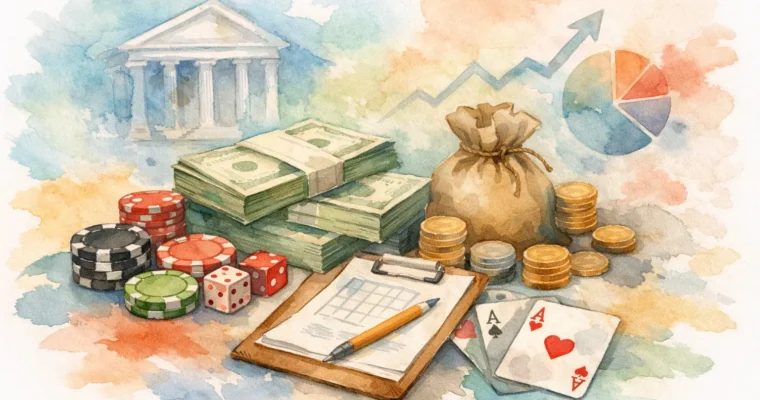
Learn bankroll management for beginners with simple rules, betting limits, and practical tips to protect your money and play smarter.